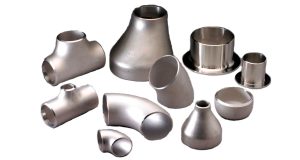
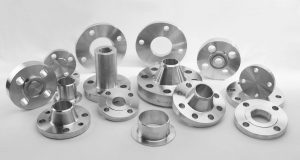
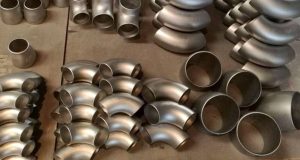
All piping systems depend on fittings to join pipes, change direction or regulate flow. The suitable selection of fittings is important for longevity, safety and efficient performance in the long run. Among the numerous alternatives, two types are commonly weighed against each other: Alloy Steel Buttweld Fittings and Standard Fittings. These fittings are designed to support pipelines, but their material, build and applications differ. Understanding these differences helps in selecting the right fitting for each application.
This blog discusses what Alloy Steel Buttweld Fittings and Standard Fittings are, and it also emphasizes the primary differences between them. It will assist you in determining which one is appropriate for your system based on strength, life, application and price.
What Are Alloy Steel Buttweld Fittings?
Pipe fittings composed of alloy steel which is steel that includes components such as molybdenum, nickel or chromium, are known as alloy steel buttweld fittings. In order to create a strong, leak-proof connection these fittings are joined by welding to pipes. It has been known for withstanding high temperatures, and pressures. Due to its strength and resistance to wear, they are widely used in industries like oil and gas, chemical plants, and power generation. Alloy Steel Buttweld Fittings provide a long-lasting solution in demanding conditions where ordinary fittings might fail.
What Are Standard Fittings?
Based on the requirement of the system, standard fittings are often used for pipes made of materials like stainless steel, carbon steel or even plastic. It is available in various shapes and sizes, including flanged, socket-welded, and threaded fittings. These fittings are mostly appropriate for low to medium-pressure applications and are easy to install. Plumbing, water supply and general industrial systems, where harsh circumstances are not an issue often use standard fittings. Their low cost and availability make them a preferred alternative for less demanding projects.
Key Differences Between Alloy Steel Buttweld Fittings vs. Standard Fittings
Both Alloy Steel Buttweld Fittings and Standard Fittings play an essential role in pipe systems. They are not the same, though. They differ in terms of cost, applications, connection method, material strength, and durability. Here is a detailed look at each point:
Material Strength
- Alloy Steel Buttweld Fittings: It is made from alloy steel that has been enhanced with additional components for better performance and strength. Their structure is resilient to extreme temperatures, pressures, and stresses. This makes them perfect for critical operations where system reliability cannot be compromised. Their strength also minimizes the likelihood of abrupt breakdowns.
- Standard Fittings: Made from basic materials such as carbon steel, stainless steel, or plastic. While they are strong, they are not designed for extreme conditions. They are best suited for everyday systems with moderate requirements. Their material composition ensures easy availability and cost efficiency.
Durability and Lifespan
- Alloy Steel Buttweld Fittings: Extremely long-lasting and corrosion, wear and heat-resistant. It provides a service life that is extremely long even under severe conditions such as refineries, or power plants. Their strong construction implies fewer replacements, as it reduces the maintenance cost. This long-term durability makes them the first choice in mission-critical applications.
- Standard Fittings: Durable under normal conditions, but may corrode or wear out faster when exposed to high stress or chemicals. Their durability is shorter compared to alloy steel fittings. Regular inspection and replacement may be needed to maintain system safety. They are still reliable for light-duty systems.
Connection Method
- Alloy Steel Buttweld Fittings: Connected through welding, which ensures a leak-proof and permanent joint. This increases system reliability, and reduces the possibility of leaks. Pressure loss is also reduced by the smooth flow path that minimizes welding. These joints require relatively minimal maintenance after installation.
- Standard Fittings: Often connected using threads, flanges, or sockets. These are easier to install and replace but may not provide the same level of leak-proof security. Over time, threads or seals may wear out and cause minor leaks. Still, their ease of assembly is a big advantage for simpler systems.
Pressure and Temperature Handling
- Alloy Steel Buttweld Fittings: Best suited for high temperature, and high pressure applications. Their composition makes them appropriate for critical industries such as oil and gas, chemical and power plants. It can withstand sudden changes in temperature without compromising on its strength. Even in the most severe circumstances, its reliability ensures continuous operation.
- Standard Fittings: Work well in low to medium-pressure systems such as plumbing, HVAC or water distribution. These fittings don’t work well in harsh environments. Excessive pressure, or heat may reduce their effectiveness and cause failure. In contrast, they are a cost-effective and reliable option for non-critical systems.
Cost and Availability
- Alloy Steel Buttweld Fittings: The materials, and welding process make them more costly. Critical applications require specialized items. Its longer service life, and reduced maintenance costs often balance their high original cost. Not always readily available, they are worth it for demanding applications.
- Standard Fittings: It is affordable, and easily found in the market. It is usually the first choice for common applications that do not require superior strength. The ease of availability minimizes waiting time when on a project. This makes them the most suitable option for everyday installations.
Applications
- Alloy Steel Buttweld Fittings: Common in industries dealing with high stress, high heat, and corrosive conditions, such as petrochemical plants, oil refineries, and power stations. They are also used in systems where safety and reliability are non-negotiable. Their adaptability to extreme environments sets them apart from ordinary fittings.
- Standard Fittings: Plumbing, water supply, heating and light industrial applications are among the common uses for standard fittings. It is applicable to areas with non-corrosive and unstable operation environments. Their versatility and cost make them a popular option for everyday tasks.
Conclusion
While both standard, and alloy steel buttweld fittings are essential how they are used depends on the requirements of the system. Alloy steel buttweld fittings are perfect for industrial applications as it is durable, reliable and resistant to high temperatures, and pressures. On the other hand, standard fittings are practical and affordable for everyday low-to-medium pressure applications. Pressure, temperature, environment and financial constraints should all be taken into consideration, while choosing between them. Standard fittings are appropriate for simpler, more affordable systems, but alloy steel buttweld fittings are ideal for long-term performance in demanding environments.