The United Arab Emirates controls and operates some of the most modern and high-capacity oil and gas plants. These facilities process huge amounts of crude oil and natural gas daily, requiring piping systems that can resist immense stress during operations. Ensuring leak-free and reliable fluid transmission is more than just a matter of efficiency; it is an essential safety precaution. Hastelloy buttweld fittings connectors are now the preferred choice for many engineers in the region to effectively manage these challenging environments. This blog explores why these specific alloys are the preferred option for UAE refineries, concentrating on their corrosion resistance and high-pressure capability. It also examines the technical benefits of hastelloy C22 and C276 buttweld fittings in sour gas and chemical processing applications.
Challenges in UAE Refinery Piping Systems
Refining in the Middle East presents unique hurdles that standard stainless steel often cannot meet. UAE refineries often deal with high temperatures and immense internal pressures that can cause lesser metals to deform or crack. In addition, process streams often contain aggressive chemicals, acids, and sour gas with hydrogen sulphide, as these substances attack ordinary stainless steel. Coastal refineries face constant salt spray and high humidity, whereas interior plants experience abrasive sand and harsh temperatures. These considerations make it essential to choose Hastelloy buttweld fittings to prevent pipes from breaking while maintaining the continuous flow of production without frequent emergency shutdowns.
What Are Hastelloy Buttweld Fittings?
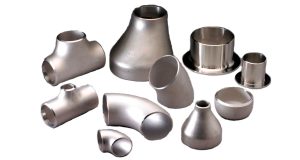
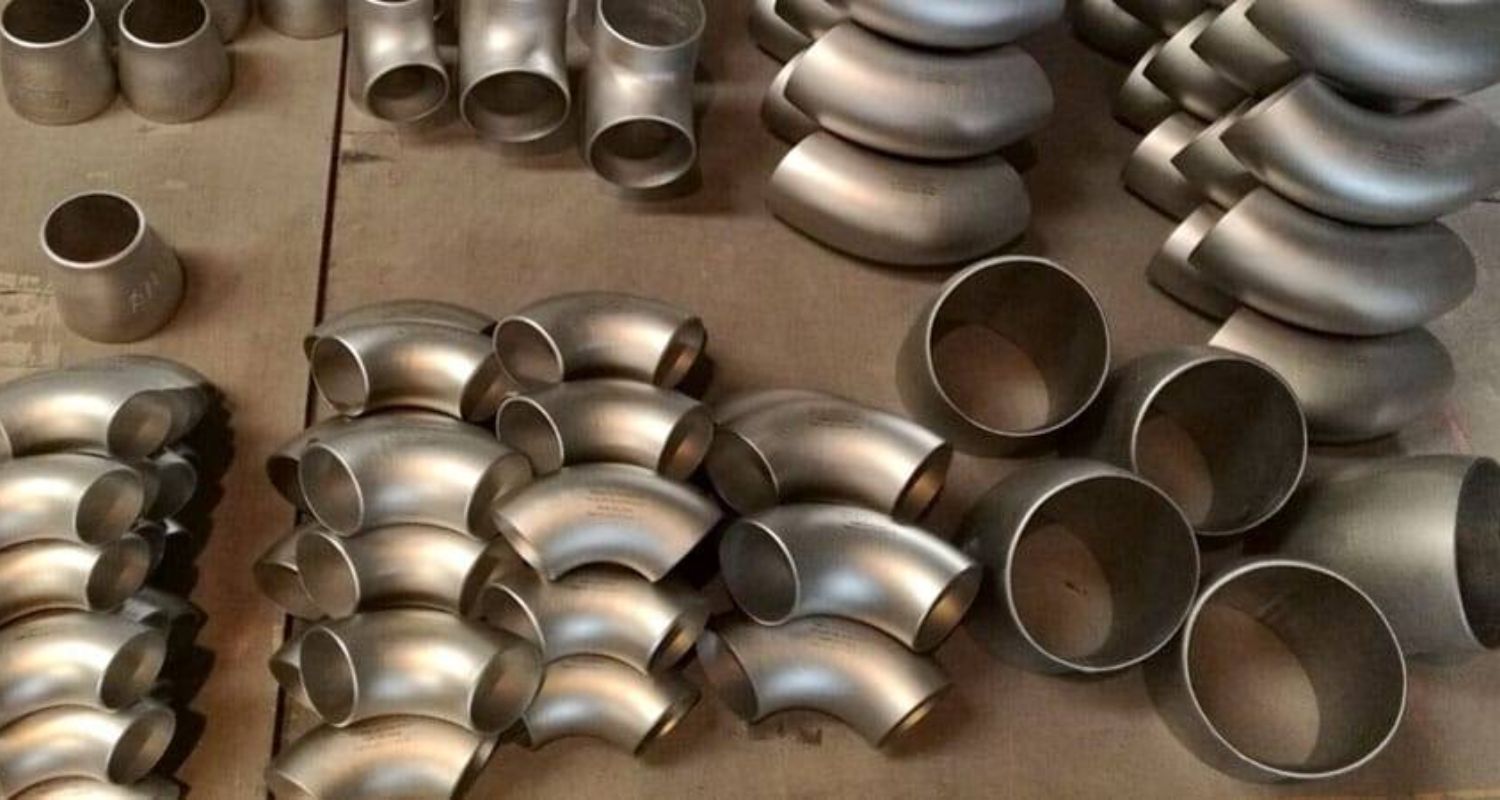
Hastelloy buttweld fitting components are specialised piping parts made from nickel-based alloys designed for superior chemical stability. The composition typically includes high percentages of nickel, molybdenum, and chromium, which provide a shield against various forms of oxidation. You will find these available as various types of fittings, including elbows for changing flow direction, tees for branching, and reducers for size transitions. A key benefit of these fittings is their excellent welding compatibility. During the manufacturing process, the grain structure is tracked to ensure that the joints are as strong as the pipe. Using hastelloy C276 buttweld fittings offers smooth integration into existing high-nickel alloy systems, resulting in a permanent, leak-proof connection using expert butt-welding processes.
Why Hastelloy Buttweld Fittings Are Preferred in UAE Refineries
UAE facility managers choose these fittings because they solve the most common failure points in a refinery’s lifecycle.
- Outstanding Resistance to Corrosion & Oxidation: The high molybdenum content helps these fittings resist aggressive acids and chlorides. This is essential for UAE plants that process heavy crude or operate near seawater.
- Excellent Performance in High-Temperature & High-Pressure Systems: Unlike other standard steel, these alloys do not lose their mechanical strength when they are heated. They maintain their toughness and hold their shape under the intense heat of distillation.
- Resistance to Stress Corrosion Cracking & Pitting: Localised corrosion, like pitting, can eat through a pipe wall in weeks. Hastelloy C22 Buttweld Fittings are specifically designed to stop this type of serious, localised damage before it starts.
- Superior Weld Integrity for Critical Piping: The low carbon content in these alloys prevents carbide precipitation during welding. This means the area around the weld stays strong and stays resistant to corrosion after the job is done.
- Reduced Maintenance & Long Service Life: While the initial cost is higher, these fittings rarely need replacing. Refineries save money over time by avoiding the labour costs and lost production of frequent repairs.
What UAE Buyers Look for in a Hastelloy Fittings Supplier
Finding a reliable source is just as important as choosing the right material for the job.
- Mill Test Certificates (MTC): Buyers require full documentation showing the chemical makeup and physical strength of every batch. This ensures the metal actually meets the high standards promised by the brand.
- EN/ASTM Compliance: Fittings must meet global standards like ASTM B366. This guarantees that dimensions and pressure ratings are consistent across the entire piping project.
- NACE Standards: In the UAE, NACE MR0175 compliance is mandatory for sour gas environments. Suppliers must prove their products can handle “sour” service without cracking.
- Third-Party Inspection: Many projects require a third-party inspection report to maintain progress. A reliable supplier provides these tests to check the quality of the hastelloy buttweld fittings before they deliver.
- Fast Delivery: Refineries cannot wait months for parts during a turnaround. Suppliers with local stock or rapid logistics are always preferred to keep projects on schedule.
- Export-Ready Packaging: Since these are high-value items, they must be packed in wooden crates with protective end caps. This prevents scratches or dents during transit to the job site.
Key Applications in UAE Refineries
Specific areas within the refinery rely heavily on these advanced alloy fittings to maintain safety.
- Crude Distillation Units: The initial heating and separation of oil involves high heat and sulfur compounds. Hastelloy C276 buttweld fittings are often used here to handle the corrosive vapours of the barrel.
- Hydrocrackers and Reformers: These units use high pressure and hydrogen to break down molecules. The fittings provide the necessary strength to prevent hydrogen embrittlement and leakage.
- Sulfur Recovery Units: Converting toxic gases into elemental sulfur is a messy, acidic process. Using hastelloy C22 buttweld fittings ensures the equipment doesn’t dissolve under the constant chemical attack.
- Heat Exchangers and Transfer Lines: Moving hot fluids between stages requires durable connections. The thermal stability of these fittings makes them perfect for lines that expand and contract frequently.
Standards & Certifications
To maintain safety, every hastelloy buttweld fittings supplier must adhere to strict international codes. Most orders follow ASTM B366 for factory-made wrought nickel alloy fittings and ASME B16.9 for dimensions. Traceability is the most important part of the process. Every fitting should have a heat number stamped on it that links back to its original melt. Positive Material Identification (PMI) testing is often done on-site to double-check that the nickel and molybdenum levels are correct. These certifications give engineers the confidence that the piping will not fail under the harsh conditions found in a typical UAE processing plant.
Selecting the right materials is the foundation of a safe and profitable refinery. While many options exist, the harsh climate and chemical reality of the Middle East make high-performance alloys the only logical choice. By investing in hastelloy buttweld fittings, companies reduce the risk of leaks, protect their workers, and ensure their infrastructure lasts for decades. Whether it is the versatile hastelloy C276 buttweld fittings or the specialised hastelloy C22 buttweld fittings, these components provide the reliability that UAE energy leaders demand. Choosing quality over cheap alternatives is a strategy that pays for itself through improved uptime and peace of mind.