Singapore is a leading global marine port, managing some of the world’s busiest shipping channels and offshore projects. Operating in this environment involves being constantly exposed to saltwater, excessive humidity, and tremendous pressures. Corrosion is an essential concern for engineers and shipbuilders, as it causes material failure, which can result in significant financial loss or compromised safety. Selecting the right components is the only method for ensuring long-term vessel integrity. This article explores why stainless steel flanges are the standard for marine pipe systems. It also covers the various types of flanges used, the grades that can withstand seawater, and the stringent certifications required by consumers in Singapore’s environment.
What Are Stainless Steel Flanges?
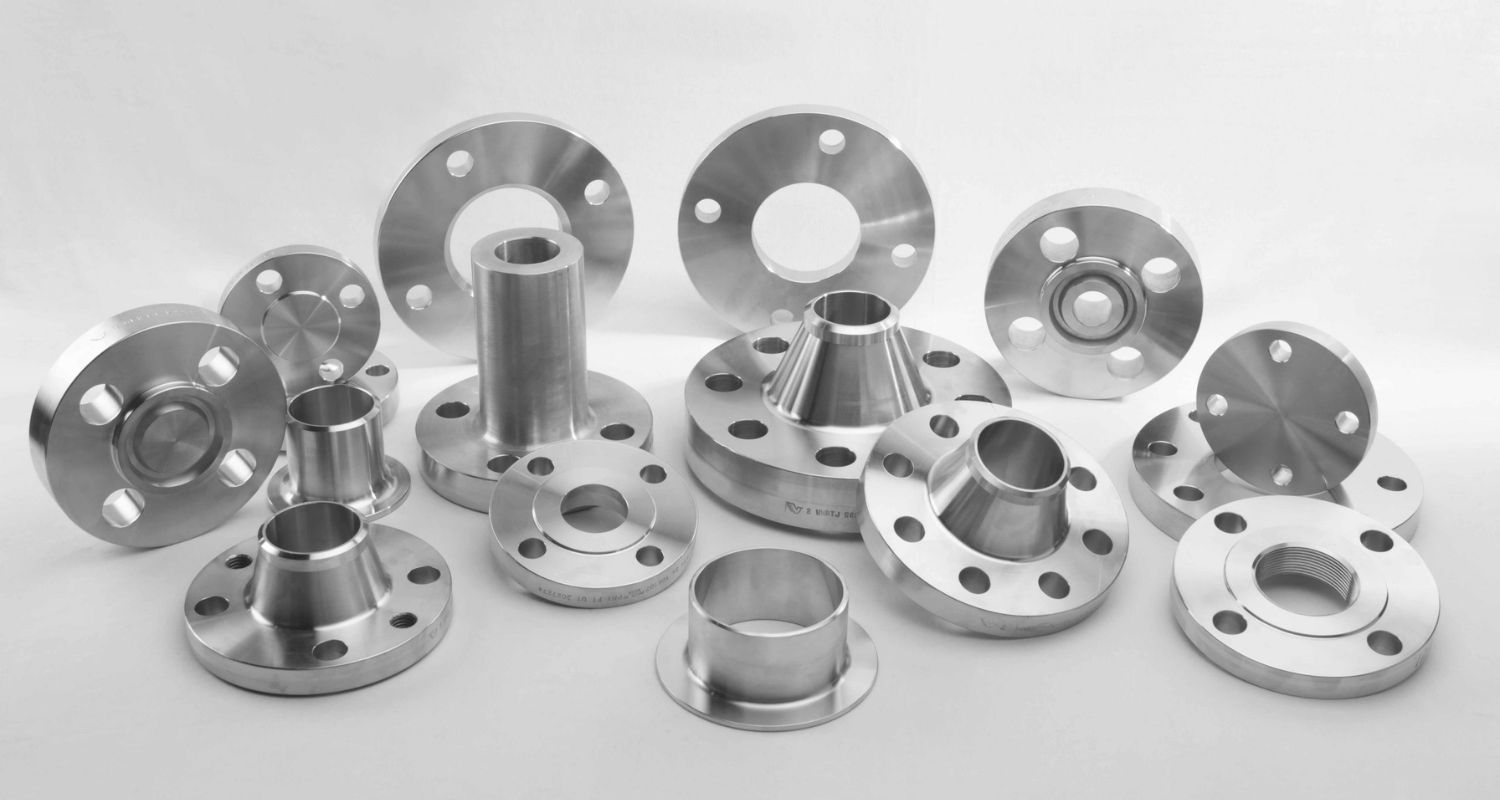
Stainless steel flanges are mechanical components that join pipes, valves, pumps and other piping components. They form an effective connection that may be easily assembled and removed for examination or repair. Flanges in marine systems are used to maintain pressure control and avoid leaks in harsh operating environments. Common types include Weld Neck, Slip-On, Blind, Socket Weld and Threaded flanges. Weld Neck flanges provide strong reinforcement for high-pressure lines. Slip-On flanges are easy to align and install. Blind flanges seal the end of a pipe. Socket-weld and Threaded flanges are often used for smaller pipe sizes. Each type supports pressure containment and ensures tight sealing, which is critical on ships and offshore units.
Key properties that make stainless steel ideal for marine use
Marine environments require materials that can withstand repeated chemical and physical stress. Stainless steel is the preferred choice for various practical reasons.
- Superior Corrosion Resistance: The high chromium content in stainless steel makes it possible for the oxide layer to cure itself. This prevents the metal from corroding due to chloride, which is always a risk in coastal areas. It prevents pitting and crevice corrosion, which can damage cheaper metals.
- High Strength Under Pressure: Ships and offshore platforms are constantly subjected to vibration and mechanical stress from waves and engine operations. Stainless steel maintains structural integrity under these conditions. As it can withstand both internal fluid pressure and physical pressure from the outside without bending or breaking.
- Long Service Life: Investing in high-quality materials leads to much lower replacement costs. While the initial expense may be higher, long-term maintenance costs are much lower. These components often endure the entire life of the vessel.
- Hygiene and Cleanability: Many tankers and marine vessels produce food or transport delicate chemicals. Stainless steel has a smooth, non-porous surface that is easily sterilised. This makes it the only viable option for desalination units and liquid cargo handling.
Stainless Steel Grades for Marine Applications
Not all stainless steel is manufactured equally. Specific grades are engineered to handle the unique chemistry of the ocean.
- SS 316 / 316L: This grade offers a mixed microstructure of austenite and ferrite. It provides significantly stronger strength and corrosion resistance than the 316 series, making it ideal for heavy-duty applications.
- Duplex Steel (2205): This grade offers a mixed microstructure of austenite and ferrite. It provides much higher strength and better corrosion resistance than the 316 series, making it perfect for heavy-load areas.
- Super Duplex (2507): Super Duplex is highly effective for demanding offshore applications, such as deep-sea drilling. It can withstand extremely acidic environments and high pressures, which would cause standard grades to fail.
Applications of Stainless Steel Flanges in the Marine Industry
Marine systems rely on secure pipe joints for various operations. Stainless steel flanges support these systems in both ships and offshore sites.
- Shipbuilding Pipelines: Flanges connect fuel lines, water systems, and hydraulic pipelines in shipbuilding. They enable safe assembly and subsequent maintenance. Strong connections reduce the possibility of leakage on a cruise.
- Offshore Platforms: Offshore oil and gas platforms face challenging marine conditions. Flanges connect high-pressure pipes to processing equipment. Strength and corrosion resistance are crucial in these environments.
- Ballast Water Systems: Ballast systems manage vessel stability. Flanged joints help handle seawater intake and discharge. Corrosion resistance protects these systems from internal damage.
- Seawater Cooling Systems: Engines require cooling with seawater. Stainless steel flanges connect cooling lines and heat exchangers. They resist salt buildup and internal pitting.
- Fuel and Oil Transfer Lines: Fuel systems operate under pressure and heat. Flanges maintain tight seals in transfer lines. This reduces spill risk and supports safe vessel operation.
- Desalination Units: Singapore relies on desalination for its water supply. Marine desalination plants use stainless steel flanges in high-salinity piping. Corrosion control is vital in these systems.
- Port Infrastructure Piping: Ports include firefighting lines, drainage systems, and loading arms. Flanged joints allow easy expansion and maintenance. Stainless steel ensures durability in humid coastal air.
Standards & Certifications Marine Buyers in Singapore
Marine customers in Singapore are concerned a lot about quality. Following regulations ensures safety and long-term reliability. ASTM A182 and ASTM A240 define the material requirements for forged and plate stainless steel parts. ASTM A105 is often referenced for carbon steel flanges, which highlights the difference in corrosion resistance when compared with stainless grades. Dimensional standards such as ASME B16.5 and ASME B16.47 govern flange sizes and pressure ratings. ISO certification confirms that the manufacturer follows a structured quality system. Mill Test Certificates include complete chemical and mechanical test data for traceability. Third-party inspections by agencies such as SGS, BV, and TUV provide an additional layer of trust. These tests reduce risk in marine procurement.
What to Look for in Stainless Steel Flanges Manufacturer in Singapore
Identifying the right supplier in Singapore requires more than just checking the price. A reliable manufacturer must maintain a substantial local inventory to prevent project delays in the shipyards. When a vessel is in dry dock, timely delivery is critical as each hour costs money. Look for a partner who offers thorough material traceability to determine the origin of the steel. The packaging must be of export quality to prevent any damage during transit to the port. Technical support is a significant issue; trusted manufacturers help in selecting the right grade for the individual pressure and temperature requirements. Finally, ensure their capability to accommodate specific dimensions for specialised retrofitting projects.
Singapore’s marine sector operates in one of the most demanding environments. Saltwater exposure, humidity, and constant vessel movement create a high corrosion risk. In such conditions, joint failure is not an option. Stainless steel flanges provide strength, corrosion resistance, and long service life for marine piping systems. They ensure reliable and safe operations ranging from shipbuilding to offshore platforms and desalination plants. When purchased from a certified manufacturer and coupled with the right grade, these flanges protect both assets and crew. They remain an essential part of Singapore’s maritime industry’s reliable piping design.